
23 Mar 2026
Technological Innovations in the Recycling Industry
Recycling is no longer limited to only collecting and sorting waste, but it is now driven by innovation. Modern technologies such as AI, Automation and smart data solutions are making this process more effective, accurate and environmentally friendly.
Some Key Innovations In Recycling Industry
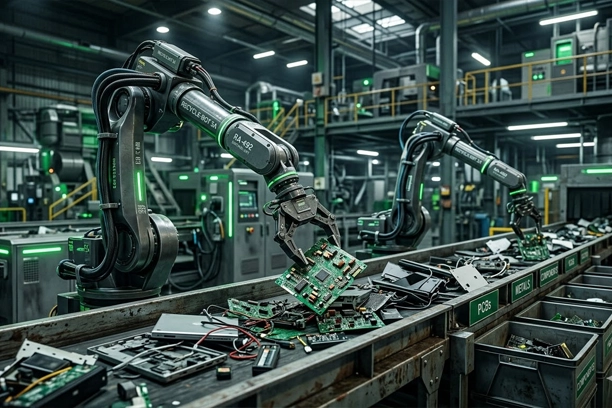
Ø AI and Robotics in recycling- The recycling process today depends on AI robots, which are equipped with sophisticated cameras and other sensors to accurately identify the materials being recycled. These robots not only manage the waste but also help in eliminating errors in the recycling process.
Ø Smart Sensors and IoT integration- Smart sensors and Internet of Things (IoT) have made waste collection more efficient. Sensors placed in recycle bins and trucks fill levels, monitor types of waste and improve collection routes, thereby reducing consumption of fuel and overflow.
Ø Advanced recycling techniques- Advanced recycling processes such as chemical recycling play a vital role in addressing the problem of hard-to-recycle materials. Unlike the traditional processes, chemical recycling involves the disintegration of plastic products to their raw forms, hence enabling their reuse as raw materials.
Ø Digital Platforms improving Transparency- The digital platforms are enhancing transparency in the recycling process. Digital platforms are improving transparency in the recycling process. This has helped companies keep track of their wastes and even monitor the rate at which they recycle their wastes to comply with government regulations. This instils a sense of responsibility.
Conclusion Technological developments are transforming the recycling industry to make it efficient, transparent, and safe. As these developments continue to change, they will be instrumental in creating a greener future.